
Take advantage of cool fall weather to fertilize, control weeds, and improve the health and appearance of your yard. Keep your lawn healthy in the fall by following these tips:
Water on Schedule
Most lawns need water whenever it’s dry — no matter the season. If drought persists into autumn, water once or twice per week long enough to soak the soil several inches deep. Early morning is the best time of day to irrigate because winds are usually lighter so you’ll waste less water to evaporation. Avoid watering in the evening because that encourages fungal diseases.
Adjust Your Mowing Height
If you raised the height of your lawn mower in summer to reduce heat stress to your lawn, return the mower deck to its normal mowing height (about 2 inches tall is best for most grasses) in fall. Cutting your lawn slightly shorter in autumn helps prevent the grass from matting down under leaves and snow. Avoid cutting the grass too short, however. Tightly clipped turf has fewer roots and allows weeds to get a foothold.
Fertilize
Fall is the best time to fertilize your lawn if you live in the North. Cool-season grasses, such as bluegrass, fescue, and ryegrass, respond well to feeding in early September and again in late fall (late October or November). It helps them green up earlier and look better in spring.
Avoid fertilizing dormant warm-season grasses in the South unless they have been overseeded with winter ryegrass.
Repair Dead Patches
Early fall is a great time to reseed any small dead or thin patches in cool-season lawns. If you seed in autumn, you’ll have fewer weeds. And the seedlings will become established before stressful hot weather conditions arrive. A mulch product embedded with seed and fertilizer is a convenient way to fill the gaps.
Remove Fallen Leaves
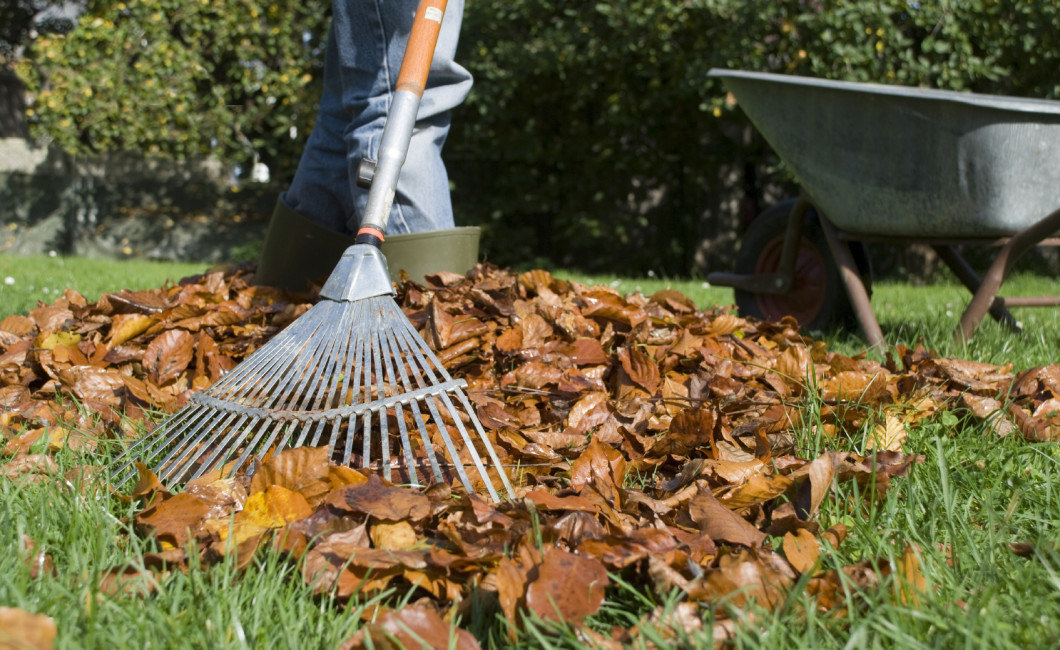
Remove fallen leaves by raking them or mulching them with a mower before they mat down and smother your grass. A mulching mower works well to shred small amounts of leaves and returns the shredded organic matter to the soil, much like top dressing. When many leaves are present, rake them off the lawn and compost them.
Source for the content on this page: www.bhg.com/gardening/yard/lawn-care/fall-lawn-care-secrets/